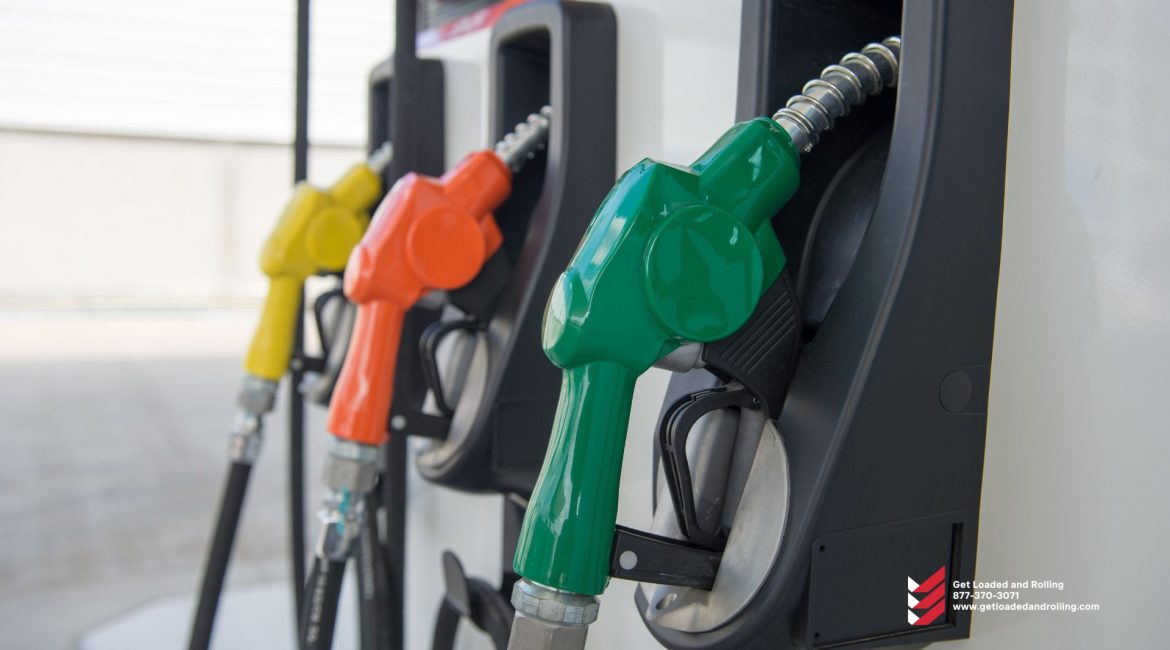
The constant rise in diesel fuel prices has produced a tumultuous pricing environment in the freight business over the last few months, owing to the difficulty to precisely calculate fuel costs for bidding months, if not weeks, in advance of hauling the load. This annoyance is already potentially costly, but what if the driver is turned away from the station where he or she wishes to refuel because the pump is out of diesel? Yes, in today’s world, this is a serious possibility.
Certain areas are particularly vulnerable to these shortages, owing to price variations between states. Diesel, for example, costs a dollar less in Arizona ($3.65 per gallon) than it does in California ($4.65 per gallon). As a result, fueling stops will be scheduled in Arizona. When this purchase tendency occurs on a big scale, the state with the lower pricing suffers a diesel shortage.
This lack of uniformity among states, combined with a seven-year high in diesel prices, a drop in output, and a shortage of hazmat-approved fuel carriers, are all contributing factors in a potential coming fuel crisis. The price of a single load rises in tandem with the cost of operating. Carriers and owner-operators alike are concerned about the unpredictability of this price hike across the country.
Owner-operators, as we all know, take on a lot of responsibility when they buy, maintain, and operate their own equipment. Loads are frequently bid for months in advance, but with today’s fuel price volatility, forward bidding is riskier than typical. On a coast-to-coast shipment, shifting fuel costs can cost an extra $300-$400. This can lead to tense negotiations between owner-operators and long-term clients who may not understand why their shipping costs are suddenly increasing.
Fortunately, today’s market capacity gives carriers the upper hand when it comes to price negotiations. The use of a fuel surcharge to counterbalance the additional burden placed on the carrier or owner-operator prevents large losses in trucking.
Despite the downward spiral that has resulted from diesel scarcity, assistance is on the way. The federal government has announced plans to release oil reserves, releasing 50 million barrels in the hopes of lowering prices. This large-scale withdrawal from the country’s strategic reserves could help the trucking industry combat price inflation.
Another beneficial component is the COVID-19 Omicron variation, which comes from an uncommon source. When the variant was discovered during Thanksgiving week, fuel costs plummeted for the first time in a long time. On Friday, Nov. 26, the price of crude oil fell by $10 per barrel. This drop in oil prices is likely to quickly trickle down to fuel prices, as the national average price of gasoline has already dropped three cents per gallon.
While periods of uncertainty are unsettling, what goes up must eventually come down – or at the very least level out. The price increase is likely to slow in the first quarter of 2022, with a national average of $3.09 expected in the middle and later months of the year. As we enter the new year, we can breathe a sigh of relief at the prospect of low and stable fuel prices.
