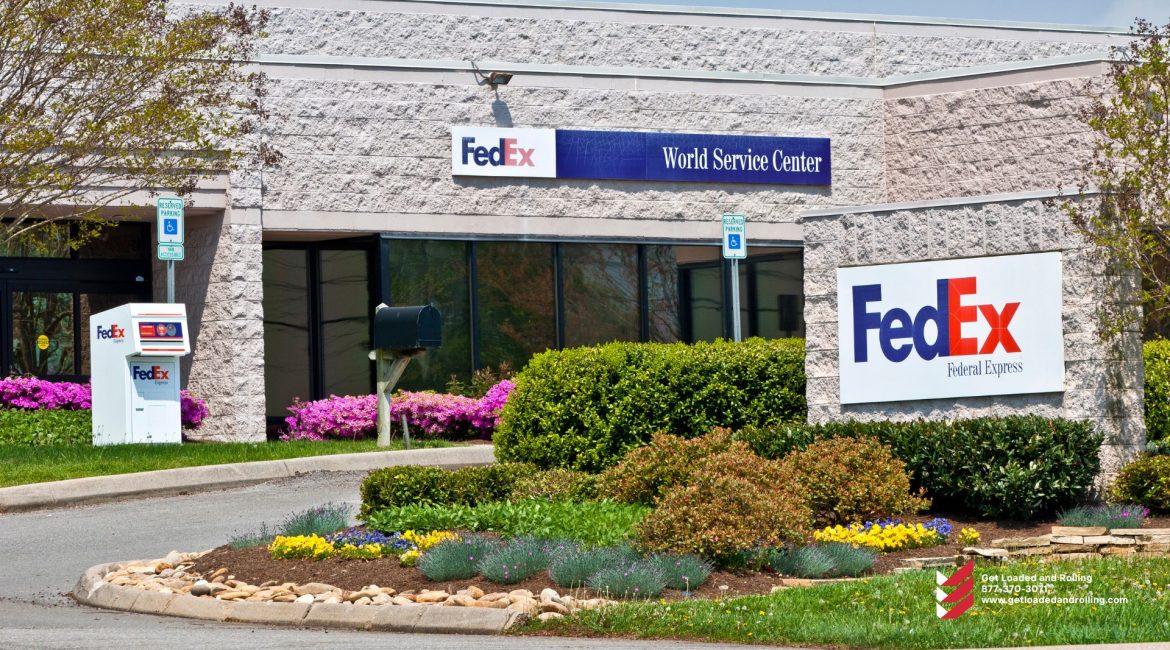
The Department of Defense enlisted FedEx Express on Sunday to make the second flight for Operation Fly Formula and carry another batch of Nestle infant formula from Ramstein Air Base in Germany to the United States, as the Biden administration works to address a statewide shortage.
The shipment will be delivered to Washington Dulles International Airport via FedEx (NYSE: FDX). According to the White House, FedEx’s trucking network would subsequently deliver the urgent shipment to a Nestle facility in Pennsylvania.
Early this week, 114 pallets of Gerber Good Start Extensive HA will be shipped.
President Biden also issued the first two priority orders under the Defense Production Act, which he invoked last week to prioritize ingredient supplies for formula manufacturers, according to the White House.
FedEx has long been a freight transport supplier for the Defense Department, which allocated the mission to the integrated logistics provider under an existing contract vehicle.
The first shipment of Nestle formula, consisting of 1.5 million 8-ounce bottles of baby formula, landed in Indianapolis on Sunday aboard a US Air Force C-17 cargo. The Agriculture Department collaborated with Nestle and the United States Transportation Command to arrange transportation from Zurich of the Alfamino Infant, Alfamino Junior, and Gerber Good Start goods. The hypoallergenic brands are intended for infants who are allergic to cow’s milk.
According to federal officials, the use of a military cargo plane for the initial voyage was required since the consignment was medically urgent and a commercial partner couldn’t be lined up quickly enough.
After Abbott Nutrition’s largest formula plant in Sturgis, Michigan, went offline in February due to quality control failures that raised concerns about bacterial contamination, the Biden administration chose a military airlift to expedite delivery of certain formula types that are in critically short supply. In February, four infants were ill, and two died, but no clear relationship has been identified between the formula they drank and the contamination revealed at the Sturgis facility.
Nestle has been importing additional infant formula via extra air cargo during the shutdown, which has worsened shortages caused by months of supply chain interruptions.
According to industry estimates, the current average out-of-stock rate for formula is around 50%.
Act to Promote Defense Production
Abbott Laboratories and authorities reached an agreement on a conditional plan to restore the plant as soon as possible, and the company thinks it might be operational within a month. It would take another six to eight weeks for infant formula to reach shop shelves.
Abbott Nutrition (NYSE: ABT) and Reckitt Benckiser will now be able to include legally enforceable language in their orders with suppliers that prioritize them over other customers. According to the White House, Abbott can now obtain priority orders of raw ingredients such as sugar and corn syrup for infant formula. Due to global supply chain difficulties, Abbott has only been able to obtain around 75% of its typical allotment. By permitting Abbott to obtain its full allotment of raw materials, the business will be able to immediately raise production at its other sites by one-third of what it is currently doing.
Reckitt Benckiser, which owns Mead-Johnson, has also been granted three months of priority on specific purchase orders of single-use products such as filters used to make infant formula. Reckitt facilities will also be able to operate at full capacity as a result of this. Reckitt is required by the authorization to provide an update on material constraints within 60 days in order to reassess the requirement to continue using the authorization to aid Abbott’s production.
“We are working around the clock to do everything we can to quickly increase the safe supply of infant formula – from coordinating the logistics for incoming international flights to strengthening the supply chain of essential ingredients and materials,” said Dawn O’Connell, Assistant Secretary for Preparedness and Response at the Department of Health and Human Services. “We will continue to assess further Defense Production Act possibilities as they become available in order to help distribute formula to families faster and stable commercial supply chains.”
In the last week, the Biden administration has taken a number of initiatives to bring more formulas into the market, including publishing instructions to allow for greater flexibility when importing foreign-made formulas.
