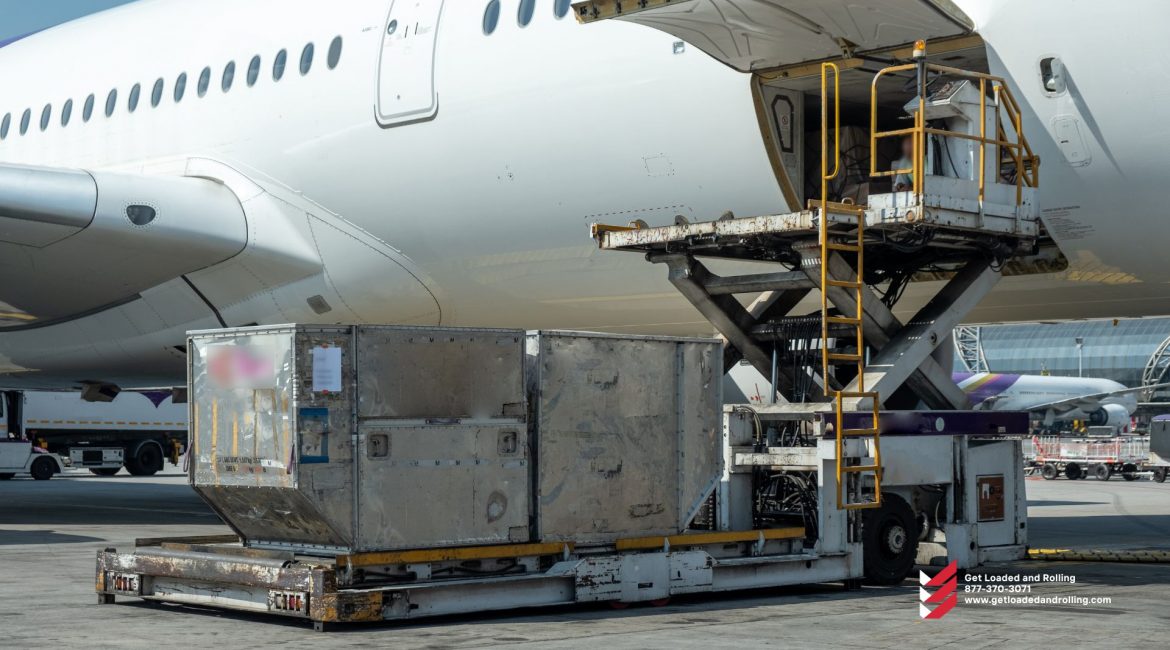
Continued rise in demand for air cargo transportation will result in an 80 percent larger global freighter fleet in 2041, according to Boeing, in a market outlook marginally more bullish on air cargo than a year ago and compared to rival Airbus’ new prediction.
The more optimistic analysis explains why Boeing expects to need 540 more specialized cargo planes than Airbus over the next 20 years.
On the eve of the famous Farnborough International Airshow in England, where they are expected to announce new aircraft deals, the world’s top jet manufacturers released their projections of how the passenger and air cargo industries will look in 20 years.
On Monday, All Nippon Airways (NYSE: ANA) completed a recent expression of interest for two brand-new 7777-8 freighters, while Delta Air Lines (NYSE: DAL) officially agreed to purchase 100 737-10 MAX single-aisle passenger jets. In addition, Aircompany Armenia and partner company Georgian Airlines announced an order for three 737-800 Boeing Converted Freighters as part of the group’s goal to expand its operations in the Caucasus region with more specialized cargo jets.
Based on predicted growth in GDP, industrial production, global trade, and e-commerce, Boeing forecasts 4.1 percent compound annual growth in air cargo volumes over the next two decades, an increase of one-tenth of a point from last year’s report. The 10-year forecast predicts a 4.3 percent increase.
More cautious according to Airbus, freight traffic would expand at a 3.2 percent annual rate through 2041, with the express sector surpassing general cargo at 4.9 percent versus 2.7 percent growth. The Airbus forecast is higher than last year’s estimate of 4.7 percent growth in express cargo. The express proportion of global cargo traffic is predicted to rise to 25% by 2020, up from 17% in 2019.
