
How to ship freight by rail is one of the most common questions new shippers ask — and for good reason. Rail shipping is cost-effective, scalable, and efficient, but it takes a bit of planning to do it right. Whether you’re moving bulk goods, containers, or palletized freight, here’s exactly what you need to know.
This is your step-by-step guide to how to ship freight by rail — simplified.
🚆 Step 1: Know What You’re Shipping
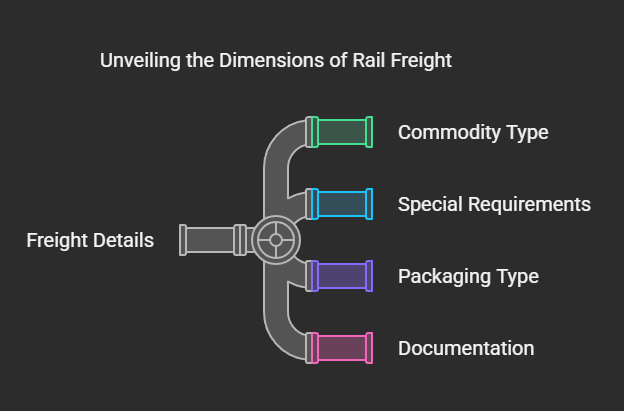
Rail shipping can handle a wide range of freight, but it works best when you know the details. Before you get a quote for freight rail shipping, have the following ready:
- Commodity type (e.g., lumber, chemicals, grain, pallets, containers)
- Is it hazmat, oversized, or temperature-sensitive?
- Is it bulk or packaged/palletized?
- Any permits or documentation required?
Knowing this helps you ship freight by rail more efficiently.
🏗️ Step 2: Gather Basic Shipment Details
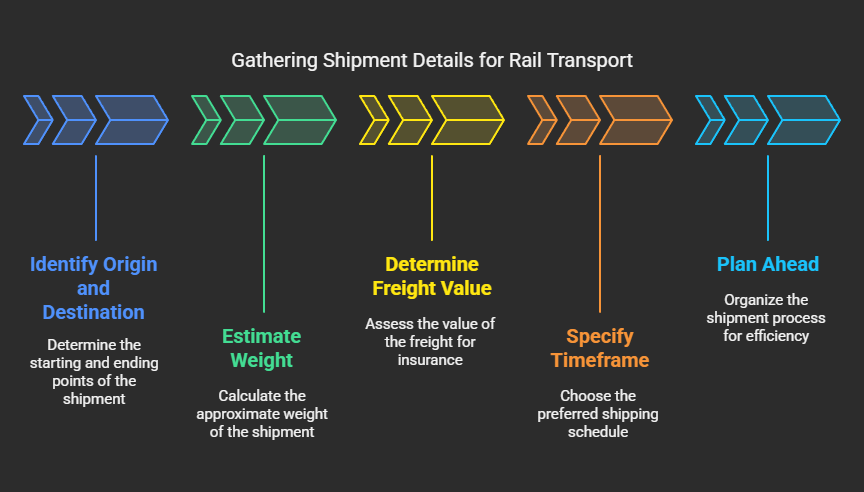
You don’t need to know everything right away, but a few key details help us get you quoted quickly:
- Origin and destination zip codes
- Estimated weight
- Freight value (for insurance purposes)
- Preferred timeframe or frequency (one-time, weekly, ongoing?)
Planning ahead makes shipping by rail easier and faster — especially when you understand how to ship freight by rail from end to end.
🧩 Step 3: Understand What’s Involved in Rail Shipping
Unlike trucks, rail transport involves a few more moving parts. Here’s what you may need:
- Drayage: Short-haul truck pickup from your facility to the rail ramp
- Transloading: Transferring freight from truck to rail (or vice versa)
- Rail access: Is your facility rail-served, or do we need to connect you?
We handle all of this for you — but understanding it helps you plan better when learning how to ship freight by rail.

📝 Step 4: How to Ship Freight by Rail — Request a Quote
When you’re ready to ship freight by rail, request a quote in under 5 minutes. We’ll guide you through the process and provide:
- A tailored rate based on your exact needs
- Clear breakdown of drayage, rail, and any handling
- Optional warehousing, transloading, and last-mile services
✅ Bonus: What’s Not Required to Ship by Rail
Many people think rail logistics is complicated — but you don’t need:
- A rail yard at your facility
- Special rail knowledge or experience
- A contract or long-term commitment
We make it easy to plug into the Class 1 rail network — without the red tape.
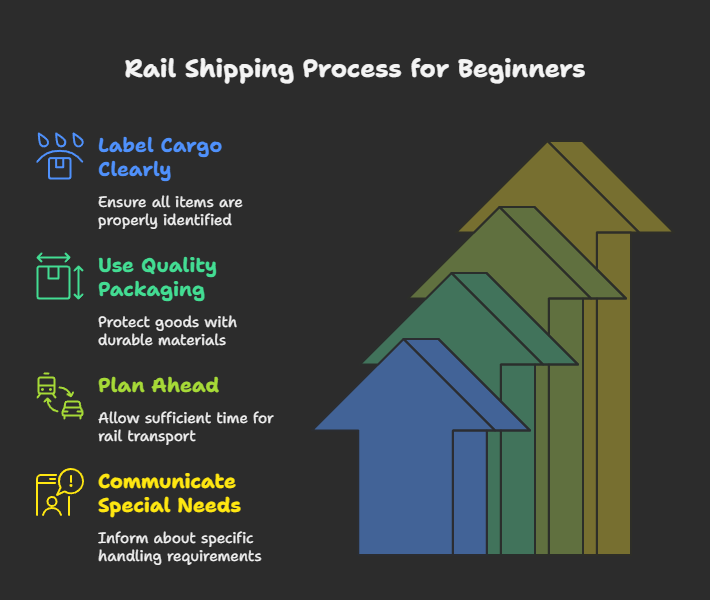
💡 Final Tips for First-Time Rail Shippers
- Label your cargo clearly
- Use quality packaging or bulk containers
- Plan ahead — rail is predictable, but lead time helps
- Communicate special handling needs early (hazmat, permits, etc.)
These tips apply to all learning how to ship by rail for the first time.
🚀 Let’s Get Your Freight Moving by Rail
Whether you’re shipping bulk cargo, pallets, or containers — we’re here to simplify the process and save you money.
Request a rail freight quote — no delays, no contracts, just smart shipping.
Check out our Rail vs Truck Shipping Comparison to see when rail is the better choice.
Learn more about freight rail emissions and environmental benefits.
