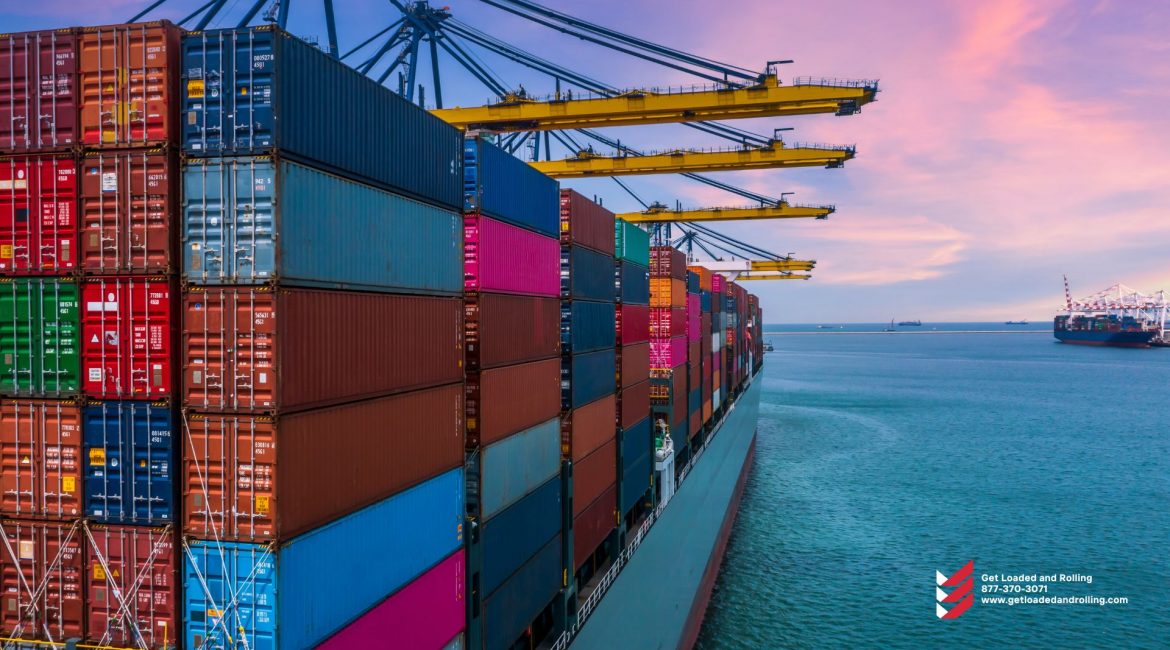
With all anchorages full and a view of steel hulls and heavy box ships from the Californian coastline, a record number of vessels are being forced to drift off the coast of San Pedro Bay. As each day breaks new ship queue records, MarineTraffic snapshots of the traffic (see below) demand additional zooming out to deeper oceans.
According to the Marine Exchange of Southern California, there are 95 ships at anchor or drifting in the ports of Los Angeles and Long Beach, America’s top two maritime gateways, waiting for berth space to open up. Seventy of the 95 ships in the line are containerships. Surprisingly, 37 ships, including 29 cargo ships, are currently stranded in the Pacific.
The process usually involves a vessel drifting for several miles before returning to its former position, which consumes a significant amount of fuel. Ships near the end of the line can now wait up to three weeks for a berth space to become available.
Sren Toft, the CEO of Mediterranean Shipping Company (MSC), the world’s second-largest container line, spoke about the current extreme supply chain crunch last week as a keynote during London International Shipping Week, citing a 33 percent increase in imports from Asia into the US in the first seven months of the year. Toft stated that MSC has been transporting a year’s worth of products in just eight months, telling delegates, “Supply networks are not constructed for such large changes.”
Last month, Gene Seroka, the Port of Los Angeles executive director, gave an update on operations, describing the problem facing the whole supply chain as “squeezing ten lanes of freeway traffic into five lanes.”
According to Freightos data, the average time it takes for ocean freight to go from point A to point B has climbed by 43% in the last year, from 50 to 71.5 days.
To increase freight transportation and eliminate delays, the ports of Los Angeles and Long Beach have extended the hours during which truckers can pick up and return containers, according to Splash.
