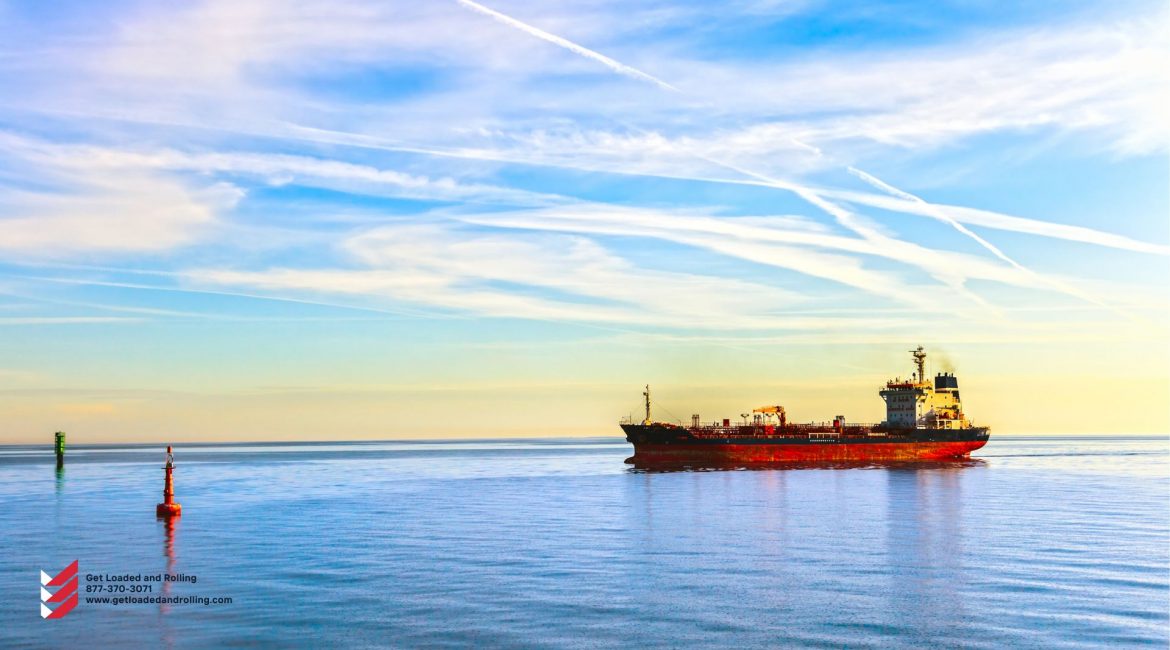
With the ports of Los Angeles and Long Beach now operating 24 hours a day, pressure is mounting to reduce the backlog of ships anchored in San Pedro Bay.
However, more coordination among the supply chain links in Southern California will be required before that can happen. And, with 25 more container ships loaded with holiday merchandise from Asia due to arrive in the next three days, results must be delivered quickly.
Instead of waiting for cargo owners to pick up their cargo when they are ready – a “pull system” – the ports are using a “push system” to identify cargo owners and get commitments from them to pick up their containers as part of their new 24/7 operating plan.
“It also means obtaining commitments from liner shipping companies to have an equal number of exports and empty containers returned to give truckers the round-trip economics they require and reduce gate turn times,” said Port of Los Angeles Executive Director Gene Seroka at a press conference on Thursday.
“In effect, if we can continue to push out this cargo as we have with our rail partners on the trucking side in the early days, that will give us more room on the terminal to bring in these ships even faster.”
Seroka declined to predict when the current number of ships at anchor – 62 on Thursday, down from a record-high 73 last month – will be reduced to the normal handful. However, he noted that import volume may level off following the Thanksgiving holiday, providing an opportunity to reduce the backlog.
“Most retailers are telling me that after the [early February] Lunar New Year holiday [in China], the second quarter of 2022 will be focused on replenishment of inventory at the store and distribution facility levels,” he said. “It is our responsibility to squeeze every minute and hour of productivity out of the day.” The more cargo we can get out the gates via truck and rail, the more room there is for the next ship to come in. Our goal remains to reduce the number of container ships at anchor every day.”
Port truckers are in difficulty.
Many of the 18,000 truck drivers who transport containers in and out of the ports and adjacent container yards are still skeptical of the ports’ 24-hour push system. The Harbor Trucking Association, which represents drayage truckers, commented on President Biden’s plan for the Port of Los Angeles, which was announced on Wednesday. They said that simply switching to 24/7 operations will not alleviate congestion and reduce ship backlogs.
“It should be noted that thousands of empty containers sitting on top of chassis in motor carrier yards are unable to be returned into the port complex due to overly restrictive appointment requirements,” the association said in a statement on Wednesday.
“For example, if truckers are unable to secure an appointment to return an empty container, they are unable to free up the chassis to move an import off the dock, so those appointments are squandered.” Furthermore, if truckers are unable to rely on consistent skilled staffing levels during the second half of the second shift, on top of the empty return restrictions, those appointments will go unfilled.”
Truckers have already been operating around the clock, according to Todd Spencer, president and CEO of the Owner-Operator Independent Drivers Association, “but are frequently limited by factors beyond their control, such as excessive detention time and a lack of readily available, safe parking for their trucks.”
“If the administration hopes to implement any significant supply chain solutions, these issues must finally be addressed.” It is unrealistic to expect the supply chain to suddenly operate efficiently on a 24/7 schedule when drivers are not fully compensated for their time.”
Significant export lag
Despite a backlog of ships waiting to bring in overseas imports, Seroka confirmed that the port had its best September in its 114-year history, with a total container volume of approximately 900,000 TEUs driven by high consumer demand.
At the same time, port exports were at an all-time low. Outbound loaded containers at the port fell to 76,000 TEUs, a 42% decrease from the previous year and the lowest level since 2002. The import-to-export ratio reached a high of 6:1, the largest monthly gap recorded at the port.
“This is obviously a major concern, and we’ve discussed it at the federal, state, and local levels,” Seroka said. “We need to develop policies and incentives to reintroduce American exporters into the game.”
Nationwide deployment is ongoing 24 hours a day, seven days a week.
As port envoy to Biden’s Supply Chain Disruptions Task Force, John Porcari said that getting major big-box retailers to commit to 24/7 operations for at least the next 90 days represents the other half of the solution to clearing out the ports. He sees the change as a “nationwide” opportunity.
“It’s become clear over the last few weeks that as a nation, we need to transition to a 24/7 supply chain,” Porcari said at the press conference. “The ports of Los Angeles and Long Beach are doing it at their end, cargo owners are doing it at their end, and now the rest of the system needs to be energized.”
One of the keys to achieving that goal, he believes, is secure data sharing, which has so far eluded the industry.
“In private conversations with CEOs across the supply chain, they admit we need better, more transparent data on a national scale,” Porcari said. “You can’t fix what you can’t measure, and that’s where we need to go.” Transparency, real-time data, and the protection of proprietary data are all guiding principles of an open-architecture system.”
