Many people envision technology that is years, if not decades, away when they hear about the metaverse. They’d be wrong, though, because it’s already here.
“I think when people hear about augmented reality and the metaverse, it feels so far away,” Ali Fazal, vice president of marketing for creator management platform Grin, told Modern Shipper. “But, in reality, we’ve been seeing these concepts gradually integrated into modern-day brand commerce for the past couple of years.”
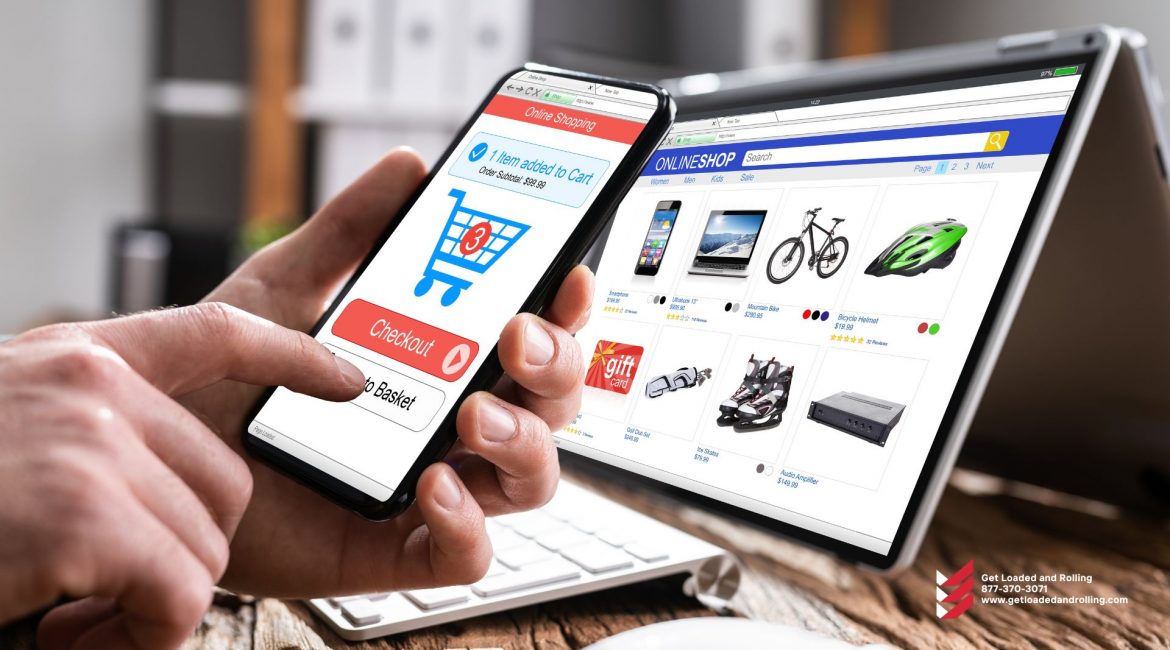
In the future, the metaverse may allow us to send virtual avatars of ourselves to work or tour houses without leaving our homes. However, for the time being, Fazal’s company, Grin, is at the forefront of one of the earliest iterations of metaverse technology: augmented shopping. Augmented shopping uses augmented reality (AR) technology to digitally recreate products in customers’ homes, offices, or even on their bodies, and it is already being used by some well-known brands, including Walmart (NYSE: WMT) and Ikea.
Online shopping is no longer as simple as reading reviews for consumers in the age of the e-commerce explosion and the COVID-19 pandemic.
“They want to see people discussing [products] in real-time and to be able to ask questions,” Fazal explained.
Consider Warby Parker, one of Grin’s clients (NYSE: WRBY). The eyewear retailer has a large online presence and is using augmented reality to allow customers to digitally “try on” pairs of eyeglasses or sunglasses without visiting a physical store. Other apparel brands, such as shirts and shoes, stand to benefit greatly from augmented shopping, which allows retailers to create virtual fitting rooms.
However, according to Fazal, this is only the tip of the iceberg. Cosmetics and beauty products, like apparel, are another area where augmented shopping can improve the shopping experience by digitally recreating products on the customer’s personality.
“Lip colors, eye shadow colors, and things like that,” Fazal explained. “I think it’s super useful for consumers to be able to try things on virtually and see how it looks on different skin tones and how it might look in different lighting settings.”

Other Grin clients use augmented shopping to sell furniture and home goods, zapping life-sized digital recreations of furniture or appliances directly into the shopper’s home, office, classroom, or wherever else they may be. Customers can get a sense of how products will fit into their space before making a purchase.
Augmented shopping is even gaining traction in the automobile industry, where automakers are using it to create virtual showrooms. Consider BMW (OCTUS: BMWYY), which developed an AR visualizer that placed a life-sized digital car in the customer’s garage.
Virtual worth
Retailers have numerous opportunities to capitalize on augmented shopping. For one thing, it enables brands to drive e-commerce sales of products that are typically better suited to in-person sales, such as apparel or cosmetics.
“It allows people to sell products online that they would not normally sell,” Fazal explained. “It also exposes brands to whole new demographics of people that they might not have been able to reach previously.”
According to Deloitte, there are over 1 billion smartphones and tablets capable of providing augmented reality experiences to shoppers — that’s 1 billion more potential customers that a brand can reach with an AR showroom, fitting room, or other shopping experience. Customers are no longer required to be in the vicinity of a physical store in order to be reached.
