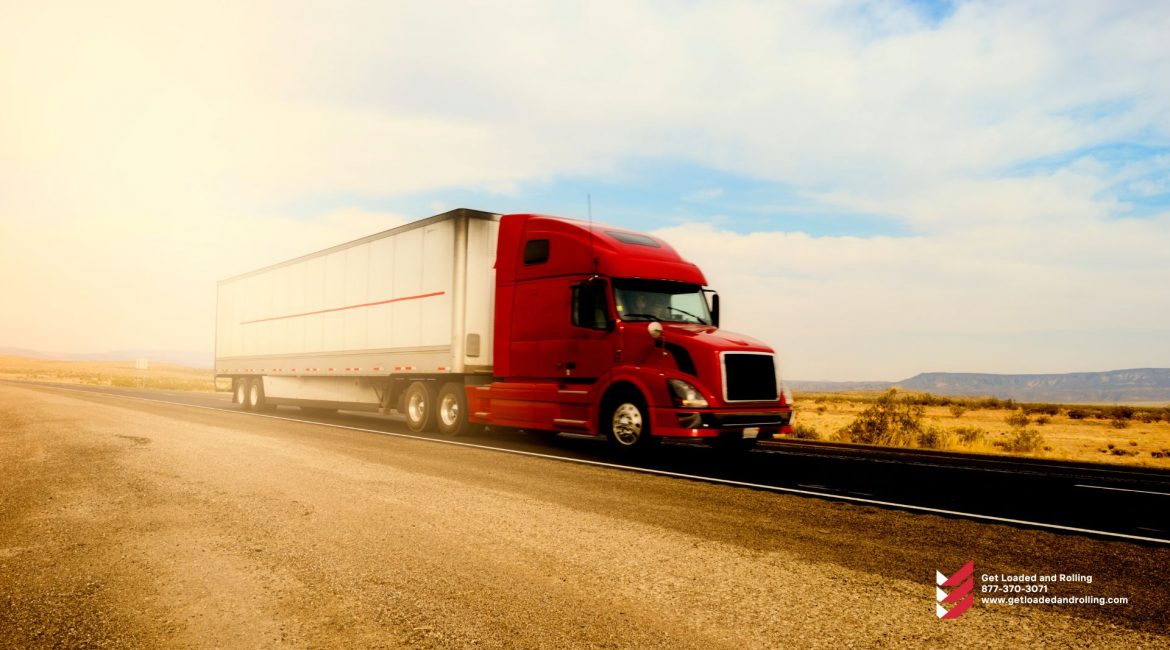
NASHVILLE, TENNESSEE (AP) – Volvo Trucks North America President Peter Voorhoeve outlined the company’s ambitions to deliver a fleet of zero tailpipe pollution trucks by 2050, with three tractors behind him — two powered by diesel and the third by batteries.
Voorhoeve stated the proposal has three parts during a press conference at the American Trucking Associations’ Management Conference and Exhibition in Nashville, Tennessee.
The first, he stated, was for Volvo to have zero tailpipe emissions in 50% of its vehicles by 2030. The second goal would be to achieve zero tailpipe emissions in the whole fleet by 2040. Volvo “would have a fleet that does not create emissions from the exhaust” by 2050, resulting in “fossil-free transportation.”
At VTNA, the zero-carbon targets do not always imply the end of the internal combustion engine. Voorhoeve displayed a graph depicting the spread of battery automobiles, hydrogen-powered fuel cells, and renewable-fuel diesel engines. The formula assumes a substantial and consistent supply of renewable diesel derived from biomass and food waste as feedstocks. This kind of supply isn’t always guaranteed.
VTNA has delivered two new VNR Electric trucks to Producers Dairy in California, which will utilize them in a 40-mile corridor in the state’s Central Valley, according to Voorhoeve. VTNA’s electrification strategy revolves around VNR Electric.
Vooehoeve also mentioned that VNR Electrics has a deal with Fleetmaster Express to serve Ball Corp., a manufacturer of aluminum-based products.
Closer to home, Voorhoeve elaborated on prior reports that its plant in southwest Virginia’s New River Valley would be serviced by two suppliers switching to VNR Electrics. VNR Electrics will serve the plant for Watsontown Trucking Co. and Camrett Logistics. The vendors’ identities had not been revealed.
The two businesses’ facilities, which are within 10 to 15 miles of the Virginia factory, will make eight runs per day, according to Brett Pope, Volvo’s director of electric vehicles.
For the VNR Electrics order, Voorhoeve declined to disclose a specific figure. However, he claims that VTNA has 30 to 50 VNR Electrics “on the road, genuinely working,” and that “that number will continue to grow” as the company works toward its goal of 500 electric trucks in service.

Creating a network of maintenance facilities that can handle electric vehicles and diesel trucks is one step in putting the company’s plan into action. Electric vehicle servicing stations have now opened in California, New York, and Idaho. By the end of the year, Voorhoeve wants the company to have 30 such facilities operational.
Pope explained that bringing on a new VNR customer entails more than just selling the truck and offering a network of repair facilities.
“You have to get started early,” he advised. “You need to think about how you’re going to introduce truck logistics.” “How would you like to charge it, and how frequently would you like to charge it?”
A portion of that discussion should include the drivers. “We spend a lot of time with the drivers,” Pope explained. These discussions can tell a lot about how they operate their cars, which impacts battery range.
Voorhoeve was confident enough to say that the organization was on the right track to achieving its objectives through action. Part of Voorhoeve’s optimism stems from the timeline of what has happened thus far, which he described as “a fairly short project.”
According to Voorhoeve, a new product line typically takes five to seven years to launch. The VNR Electric project moved much faster, deciding to manufacture the vehicle in North America in 2018. The VNR Electric is a diesel-powered VNR regional transport truck that has been converted to run on electricity.
