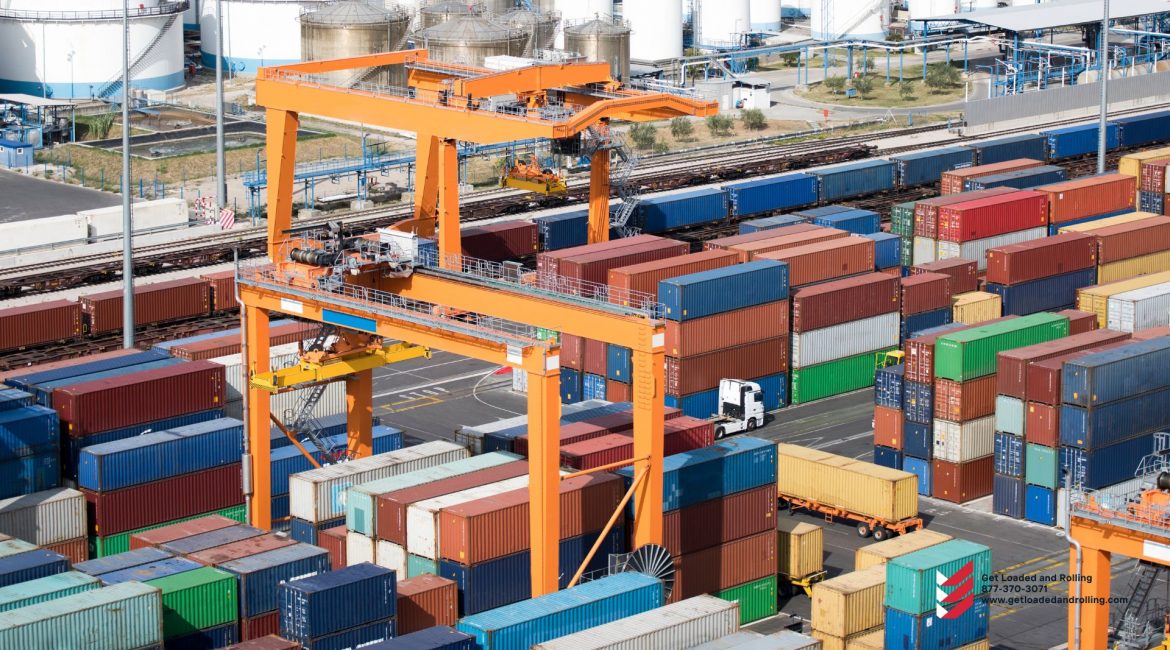
Russian ocean ships are already having problems reaching markets as industry and labor use unofficial embargoes to circumvent official government sanctions.
The International Longshore and Warehouse Union, which represents roughly 20,000 dockworkers on the West Coast, announced last week that it will not load or unload any Russian cargo imports or exports.
“We send a strong statement that we absolutely oppose the Russian invasion with this strike in solidarity with the people of Ukraine,” ILWU International President Willie Adams tweeted.

According to ocean shipping insiders, the vast majority of goods handled on the West Coast is paid for by the U.S. consignee, and chances are strong that the exporter in Russia has already been paid by the time the vessel arrives.
A manager at ship charterer Minship GmbH reacted online that the ILWU’s refusal doesn’t harm Russia because Russian shippers will have paid for the cargo. “All this does is financially harm the US purchasers while leaving the personnel onboard those ships stranded at sea to suffer.”

The ILWU’s threat will have little effect because the volume of Russian-related cargo moving via West Coast docks is modest.
According to data from the Long Beach port authority, there were 7,371 twenty-foot equivalent units containing Russian imports and exports that traveled over the docks at the ports of Long Beach and Los Angeles in 2021, accounting for four-tenths of one percent of all containerized cargo.
Last year, Russian oil bulk shipments accounted for around 2% to 3% of overall imports at the Port of Long Beach. According to Port of Los Angeles spokesman Philip Sanfield, combined container and bulk trade account for two-tenths of one percent of total two-way volume with Russia.
“While Russia accounts for a relatively minor portion of the port’s trade, the Port of Long Beach stands in solidarity with the ILWU and the city of Long Beach,” the Port of Long Beach stated in a statement.
However, longshoremen and ports will no longer be able to reject oil cargo because President Joe Biden placed an embargo on Russian oil and gas imports on Tuesday.
The International Longshore and Warehouse Union, which represents longshoremen on the East Coast, published a statement on February 25 condemning Russian President Vladimir Putin’s “murderous assault” on Ukraine, but it has not embargoed Russian cargo.
Dockworkers at a facility in Kent, England, refused to unload a shipment of Russian liquefied natural gas last week, according to The Guardian. The ship Boris Vilkitsky was rerouted to the French port of Montoir-de-Bretagne.
Ocean carriers have already turned down Russian business in order to avoid legal liability and potential reputational damage as a result of sanctions.
If collective bargaining with terminal employers does not result in a contract before the current arrangement expires on June 30, the ILWU could be in the news soon. Any concern about sustaining productivity, or real slowdowns in moving containers, could result in cargo being diverted to other ports, adding to the already-existing congestion caused by pandemic-related infrastructure and labor constraints. The mood of the general public may have an impact on the negotiations. On one side are private port operators mostly owned by foreign ocean carriers, which have made extremely significant profits over the last two years. However, ILWU members are well–paid tradespeople, and Americans who have had to deal with supply chain delays and record inflation may lose tolerance if a labor dispute causes additional economic disruption, especially if the Ukraine situation drives up the price of oil and other commodities.
